
Sustainability Trends: How Companies Are Innovating for a Green Future
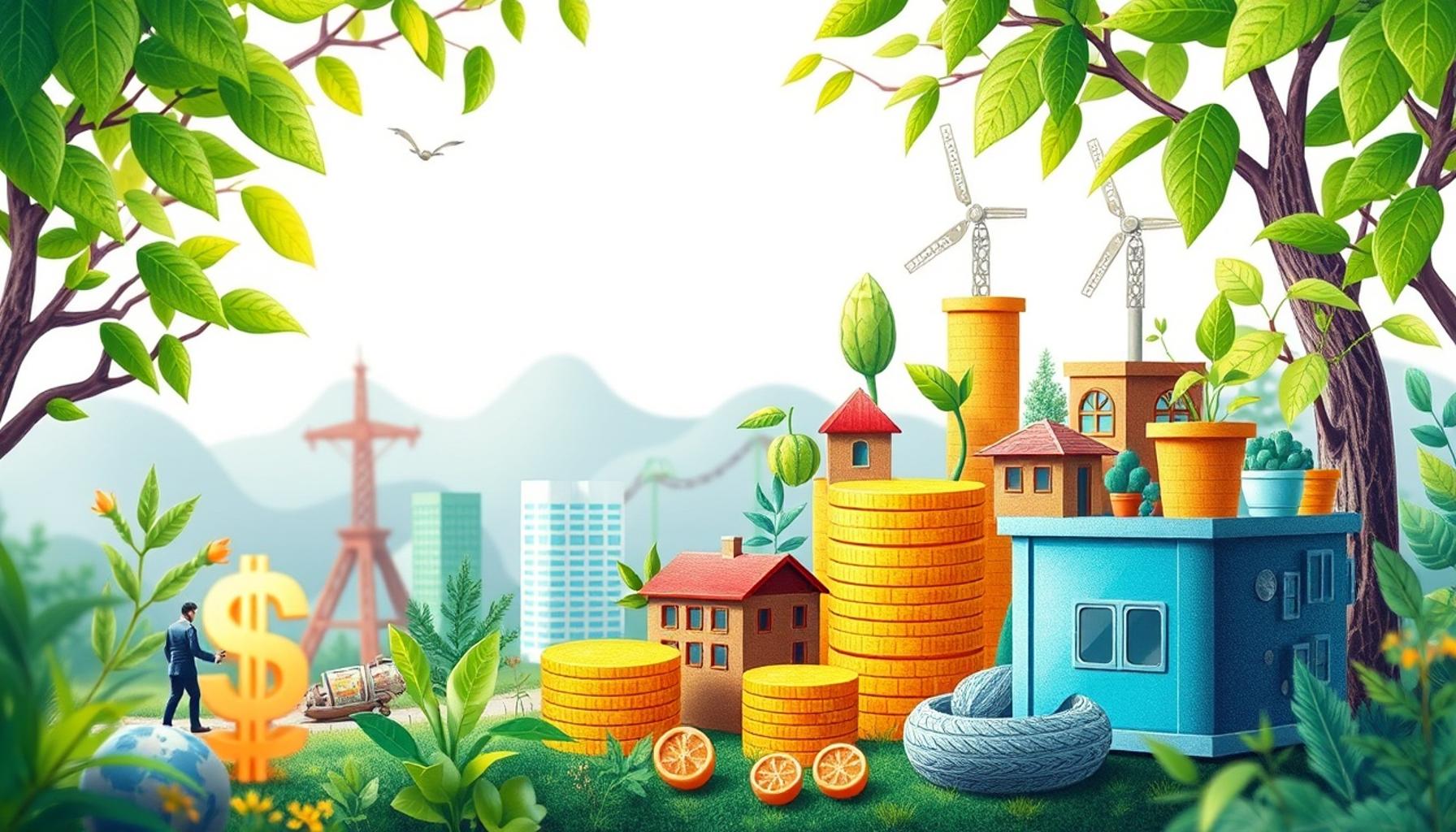
Understanding the Shift towards Sustainability in Business
In recent years, organizations across various industries have come to terms with their influence on the planet. This realization has sparked a commitment towards sustainability, leading to innovative solutions that not only focus on environmental conservation but also prove to be financially beneficial. The shift is not just a passing trend; it signifies a profound transformation in the corporate ethos.
As multiple businesses adjust their strategies to embrace greener practices, several key initiatives have emerged. For instance, renewable energy sources are gaining traction, with companies fundamentally transitioning from fossil fuels to sustainable energy like solar, wind, or hydro power. In the United States, major corporations like Google and Amazon have made substantial investments in solar and wind energy projects, demonstrating how these alternatives can power vast data centers while reducing their carbon footprints.
Another transformative approach is waste reduction, which aligns closely with the principles of the circular economy. Businesses are finding ways to minimize waste production and emphasize the reuse and recycling of materials. For example, companies like Unilever have adopted “zero waste to landfill” policies, wherein they strive to ensure that every piece of waste produced is either recycled or repurposed, rather than ending up in landfills.
The development of eco-friendly products is also a key strategy in this sustainability shift. Organizations are now actively creating product lines tailored to the environmentally conscious consumer. Brands like Patagonia champion sustainable materials in their clothing lines, ensuring that their production processes consider both environmental impact and ethical sourcing. This resonates with a growing demographic that prioritizes sustainability in their purchasing decisions.
Beyond these initiatives, businesses are rethinking their entire operational framework, especially in supply chain management. Sustainable logistics and sourcing methods are being implemented to enhance efficiency and reduce environmental harm. For instance, companies like Walmart have been focusing on local sourcing to minimize transportation emissions and support community economies.
Moreover, product design is evolving as companies conduct life cycle assessments to understand the environmental impacts of their products from cradle to grave. This thorough analysis ensures that sustainable materials are utilized without compromising quality.
Lastly, community engagement has become a vital element of corporate sustainability. Companies are forming partnerships with local stakeholders to support environmental initiatives, whether that’s through tree-planting campaigns or educational programs on sustainability practices, highlighting the importance of working together for a greener future.
These transformations have shifted the corporate focus from merely complying with existing regulations. Businesses are now actively striving to create a positive environmental impact while appealing to an increasingly socially conscious customer base. As this article will further explore, the key sustainability trends proactively embraced by companies today are paving the way toward a greener future.
DIVE DEEPER: Click here to discover the evolution of remote work
Key Innovations Driving Sustainability Efforts
As businesses embark on their sustainability journeys, innovative approaches are essential to reshape traditional practices and significantly lessen environmental impact. Here are some of the key innovations that companies are adopting to drive their sustainability agendas:
- Energy Efficiency Measures: Companies are increasingly implementing energy-saving technologies in their operations. For instance, the use of LED lighting, energy-efficient machinery, and smart building designs help organizations reduce energy consumption. A notable example is the technology giant Microsoft, which is on a path to becoming carbon negative by 2030, and is already optimizing its data centers for maximum efficiency.
- Biodegradable Packaging: With plastic waste posing a significant environmental threat, many companies are switching to biodegradable packaging solutions. Brands like Coca-Cola and Nestlé are investing in research to develop packaging that breaks down naturally in the environment, minimizing their ecological footprint.
- Sustainable Transportation: To further reduce their carbon footprints, organizations are embracing electric vehicle (EV) fleets and promoting remote work to lessen commuting-related emissions. Tesla’s commitment to sustainable energy solutions not only reflects innovation in electric vehicles but also emphasizes the importance of eco-friendly transportation across industries.
- Water Conservation Technology: Many businesses are recognizing the importance of preserving water, particularly in water-scarce regions. Innovative technologies that enhance irrigation efficiency or recycle wastewater exemplify this trend. For example, the beverage company Danone has implemented advanced water management practices to ensure responsible use and sustainable sourcing in its production processes.
Another noteworthy innovation is the integration of artificial intelligence (AI) and data analytics into sustainability practices. Companies are leveraging advanced technologies to track and optimize their environmental performance. By analyzing operational data, businesses can identify areas where energy can be saved or waste reduced. For instance, McDonald’s uses AI to enhance its supply chain management, optimizing inventory levels and minimizing food waste.
Moreover, organizations are increasingly focusing on carbon offsets as a means to balance their carbon emissions. This involves investing in projects that reduce greenhouse gas emissions, such as reforestation initiatives. Companies like Shell and BP have launched programs that allow them to offset their carbon output by funding clean energy projects and carbon capture systems, contributing to global efforts to combat climate change.
As sustainability trends continue to evolve, these innovations provide a framework for businesses to rethink their operational processes. By prioritizing environmentally conscious practices, companies not only contribute to a healthier planet but also attract a growing number of consumers who value sustainable products and practices. This synergy between sustainability and profitability marks a pivotal moment in corporate responsibility and plays a critical role in shaping a greener future.
DISCOVER MORE: Click here to learn about the importance of diversity and inclusion</p
Collaborative Efforts Toward a Sustainable Ecosystem
In addition to individual innovations, companies are recognizing the power of collaboration in their sustainability efforts. By working together with other businesses, governments, and organizations, they can amplify their impact and create more significant changes within their industries. Here are some prominent examples of collaborative initiatives:
- Sustainable Supply Chains: Companies are increasingly focusing on fostering sustainability throughout their supply chains. Unilever, for instance, collaborates with suppliers to ensure responsible sourcing of raw materials, emphasizing ethical labor practices and environmental stewardship. This approach not only supports local communities but also enhances the overall sustainability of their products.
- Industry Partnerships: Many businesses are joining forces through various coalitions to combat global sustainability challenges. The Ellen MacArthur Foundation, for example, brings together companies from diverse sectors to promote a circular economy, where waste is minimized, and resources are used efficiently. By working together, companies can exchange best practices and drive innovation.
- Public-Private Partnerships: Collaborating with governments and NGOs allows companies to leverage resources and expertise in sustainability initiatives. For example, Starbucks partners with environmental organizations to enhance its coffee sourcing practices, ensuring that farmers receive fair wages and support for sustainable farming methods.
Furthermore, the concept of the circular economy is gaining traction, encouraging companies to design products with the entire lifecycle in mind. This approach minimizes waste and maximizes resource efficiency. An inspiring example is the furniture giant IKEA, which aims to become a circular business by 2030 through initiatives like furniture leasing and recycling programs, significantly reducing landfill contributions.
Another area of growth is the transition to renewable energy sources. Companies are no longer solely reliant on traditional fossil fuels; instead, they are investing heavily in solar, wind, and hydroelectric power. Google has set an ambitious goal to operate on 24/7 carbon-free energy in its global operations by 2030, showcasing how tech leaders can lead the shift toward a renewable energy economy.
Additionally, the rise of green finance is playing a critical role in supporting sustainable business practices. Financial institutions are increasingly providing green bonds and sustainable investment options to fund projects that address climate change and promote ecological sustainability. For instance, Bank of America has committed to mobilizing $300 billion in sustainable finance by 2030, demonstrating how the financial sector can contribute to environmental progress.
Finally, the importance of corporate transparency cannot be overlooked. Consumers today demand accountability and visibility into companies’ sustainability practices. Businesses that disclose their environmental impact, set science-based targets, and report on their progress are not only building trust with their customers but also leading by example in the corporate landscape. Patagonia, known for its commitment to environmental responsibility, regularly publishes its sustainability initiatives, inspiring others in the industry.
In summary, by fostering collaboration, embracing circular principles, transitioning to renewable energy, and promoting green finance, companies are paving the way for a sustainable future together. These collective efforts are crucial in reshaping the business landscape and driving significant environmental change. As more organizations engage in these practices, the potential for a greener, more sustainable world becomes increasingly achievable.
DIVE DEEPER: Click here to learn more about consumer relationships
Conclusion
In conclusion, the drive toward sustainability is reshaping how businesses operate and innovate. Companies are recognizing that a commitment to green practices is not only beneficial for the environment but also aligns with consumer expectations and long-term profitability. From the development of circular economies that prioritize resource efficiency to the increasing reliance on renewable energy sources, the changes we are witnessing reflect a profound shift in corporate mindsets.
Collaboration among industries, governments, and NGOs serves to enhance these efforts, demonstrating that collective action is essential for achieving meaningful results. Initiatives like sustainable supply chains and public-private partnerships exemplify how companies are not just acting independently but are strategically uniting to tackle the pressing challenges of our time.
The importance of corporate transparency cannot be overstated. As consumers demand accountability, businesses willing to disclose their environmental impacts and sustainability goals are destined to foster trust and loyalty among their audiences. Examples set by companies like Patagonia illustrate how transparency can be a powerful tool for both inspiration and accountability in the industry.
Ultimately, the trends we see today are laying the groundwork for a greener future. As more organizations adopt sustainable practices, the potential to create a more resilient and environmentally friendly economy becomes not just a possibility, but an inspiring reality. It is an exciting time to witness this evolution, and every step taken toward sustainability is a step toward a brighter future for all.