
The Effect of Neuromarketing on Purchase Decisions: Understanding Consumer Behavior
Understanding Neuromarketing
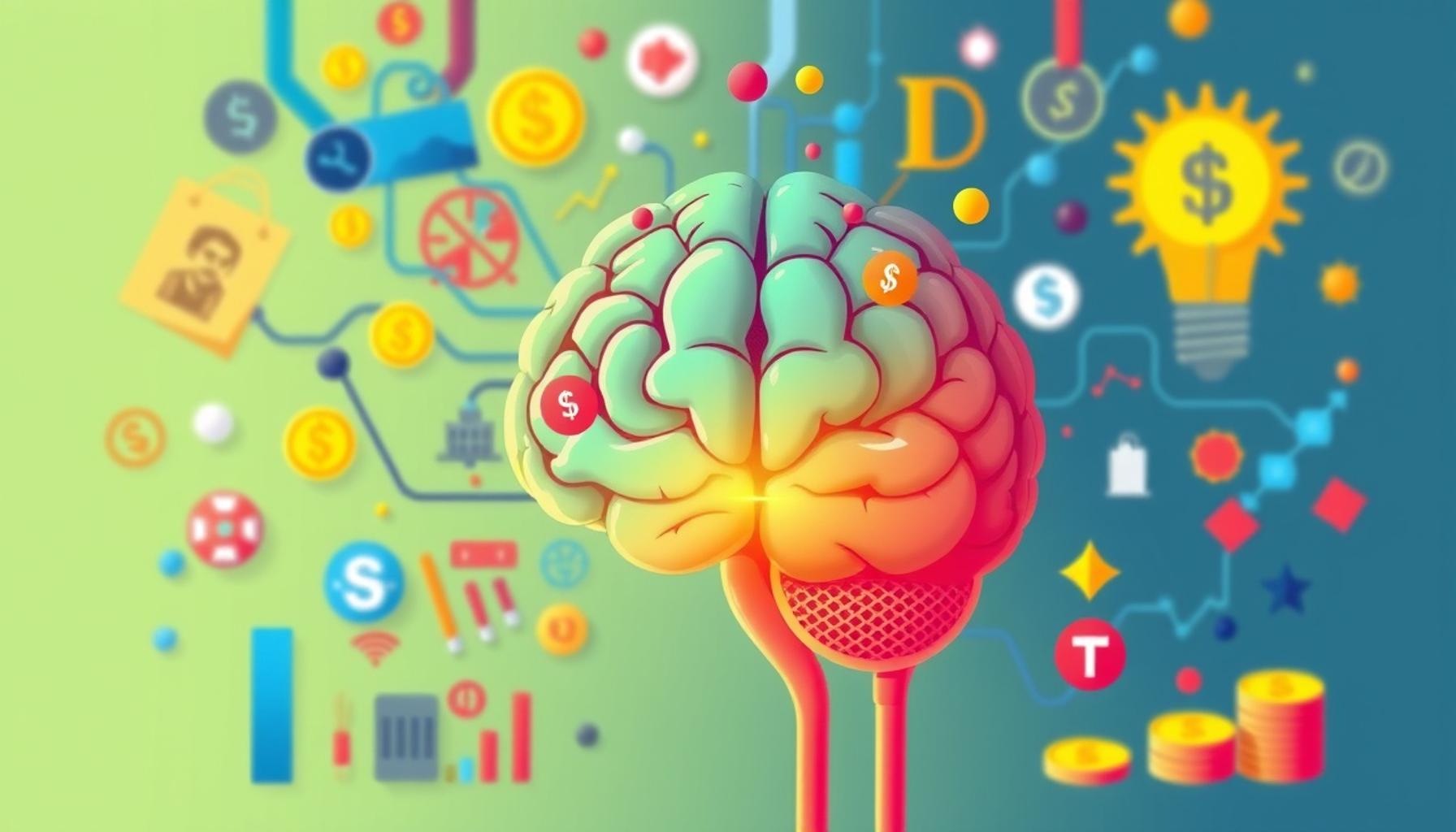
In the bustling landscape of business today, the importance of understanding consumer behavior cannot be overstated. As traditional marketing techniques grow less effective in reaching consumers who are bombarded with advertisements daily, a novel approach has gained momentum: neuromarketing. This dynamic field leverages discoveries from neuroscience to scrutinize how the human brain responds to various marketing stimuli, ultimately shedding light on the intricacies of purchasing behavior.
Neuromarketing merges concepts from both neuroscience and psychology, enabling businesses to gauge how customers think and feel about products and brands. Here are some critical aspects that illustrate the impact of this innovative approach:
- Emotional Engagement: Many studies have shown that advertisements that evoke strong emotional responses are more memorable. For example, when Coca-Cola launched its “Share a Coke” campaign, it utilized personalized bottles to create a sense of belonging and nostalgia, leading to a 2% increase in sales. This demonstrates how emotional storytelling in marketing can forge powerful connections with consumers.
- Visual Cues: The layout, imagery, and color scheme of a marketing campaign profoundly influence consumer choices. Research indicates that consumers make subconscious decisions based on visuals before even engaging with the product itself. For instance, studies have found that warm colors like red and orange can stimulate appetite, which is why many fast-food chains, such as McDonald’s, use these hues prominently in their branding.
- Sensory Experiences: Engaging multiple senses can significantly enhance a consumer’s experience and memory retention. Think of those enticing scents wafting from a bakery. Brands that engage smell and taste, like fresh coffee shops, often see increased customer visits because sensory cues can lead to a compelling desire to return.
Understanding the neural pathways involved in decision-making allows companies to fine-tune their marketing strategies to evoke desired consumer actions. For instance, by integrating storytelling in campaigns, businesses can forge deeper emotional connections with audiences. A well-crafted story not only captures attention but also resonates with the values and experiences of consumers, leading to heightened brand loyalty and, ultimately, increased sales.
This exploration of neuromarketing aims to bring to light how this advanced understanding of brain-function shapes consumer decisions in the marketplace. Readers will gain valuable insights into the complex interplay between cognitive processes and shopping habits. By the conclusion of this article, expect a clearer perspective on how the intricacies of our brain affect what we buy, paving the way for more effective marketing strategies in the competitive landscape of modern business.
DISCOVER MORE: Click here to learn how companies nurture creativity
The Neural Mechanisms Behind Consumer Decisions
To fully grasp the impact of neuromarketing on purchase decisions, it is crucial to understand how our brains function when confronted with marketing stimuli. Neuroscience has revealed that purchasing behavior is not solely based on rationality and logic; in fact, emotions and subconscious processes play a profound role. The brain processes marketing cues through various systems, primarily the limbic system, which is heavily associated with emotions, and the prefrontal cortex, which is responsible for decision-making and impulse control. This dual processing of information leads to fascinating insights into how consumers respond to marketing efforts.
One of the primary ways neuromarketing affects consumer behavior is by tapping into the emotional circuitry of the brain. When consumers experience positive emotions triggered by advertisements, they are more likely to forge a favorable view of the brand. For instance, a heartwarming advertisement from a major retailer during the holiday season can evoke feelings of joy and nostalgia, prompting viewers to associate those pleasant emotions with the brand itself. As such, they become more inclined to consider or purchase that brand during their shopping experience.
Neuromarketing also exploits cognitive biases—systematic patterns of deviation from norm or rationality in judgment—that influence decision-making. Here are some key cognitive biases commonly addressed in neuromarketing:
- Anchoring Bias: This occurs when consumers rely heavily on the first piece of information they encounter when making decisions. For example, if a price is initially set at $100 and later discounted to $70, consumers may perceive the reduced price as a great deal, even if the product’s actual value is much lower.
- Scarcity Principle: The perception of limited availability can drive urgency and desirability. Advertisements that convey limited-time offers or low stock levels can lead consumers to feel compelled to make a quick purchase to avoid missing out.
- Social Proof: Consumers often look to the behavior of others when making decisions. A product with strong online reviews or high ratings from peers can enhance its attractiveness, leading potential buyers to trust the brand more.
Moreover, neuromarketing incorporates technologies like functional magnetic resonance imaging (fMRI) and electroencephalography (EEG) to study how real-time brain activity responds to marketing stimuli. By observing which areas of the brain light up during exposure to certain advertisements, companies can glean insights into what elements resonate most with their target audience, allowing them to refine their messaging and strategies.
In essence, understanding the neural mechanisms at play provides marketers with a holistic view of consumer behavior, facilitating the creation of campaigns that not only attract attention but also foster emotional connections. By aligning marketing strategies with how the human brain processes information, businesses can effectively guide consumers toward purchasing decisions that align with their brand. The next part of our exploration will delve deeper into specific neuromarketing techniques and their implications for engaging consumers in today’s digital marketplace.
LEARN MORE: Click here to discover the evolution of remote work
Neuromarketing Techniques That Influence Consumer Engagement
As we navigate the intricate relationship between neuromarketing and consumer purchase decisions, it’s essential to explore the specific techniques utilized by corporations to engage consumers effectively. These methods leverage our understanding of how the brain processes emotions, perceptions, and social information, making them powerful tools in the marketing arsenal.
One prevalent technique is the use of storytelling. Narratives have been shown to facilitate emotional engagement, making them an impactful way to connect with potential customers. For example, a brand may create a compelling story around their product that resonates with the values or aspirations of their target demographic. Brands like Nike use powerful narratives in their advertising that showcase personal triumph and perseverance, leading consumers to form emotional bonds with the brand. This emotional resonance increases the likelihood of a purchase as consumers feel a deeper connection.
Another effective neuromarketing technique is the deployment of visual stimuli. Our brains are wired to process images much faster than text, and appealing visuals can significantly influence consumer perceptions and decisions. Research indicates that ads featuring high-quality images or engaging video content capture attention more effectively than traditional text-heavy advertisements. Brands, like Coca-Cola, use vivid imagery of happy moments in their campaigns, promoting feelings of joy and togetherness, which in turn spurs purchase behavior.
Moreover, sensory marketing plays a crucial role in neuromarketing. This approach involves incorporating sensory elements—such as sights, sounds, smells, and textures—into marketing strategies to influence buyers’ perceptions and emotions. A prime example can be found in retail environments, where scented candles or the aroma of freshly baked goods can evoke feelings of comfort and nostalgia, enhancing the shopping experience and encouraging purchases. Similarly, soundtracks and jingles can make a lasting imprint in consumers’ minds, leading to brand recognition at critical purchasing moments.
Additionally, neuromarketing utilizes the concept of personalization to improve consumer engagement. Personalization involves tailoring marketing messages and product recommendations according to individual preferences and behaviors. When consumers perceive that a brand understands their needs and interests, they are more likely to respond positively. For instance, online platforms such as Amazon use sophisticated algorithms that analyze previous consumer behavior to suggest products tailored to specific users, significantly increasing the likelihood of purchase.
Furthermore, neuromarketing research can identify optimal advertising placement and frequency. By determining when and where an ad is most effective—based on brain activity responses—marketers can design campaigns that reach consumers at the most opportune moments. This is particularly relevant in our modern age of digital advertising, where consumer attention spans can be fleeting, making targeted and timely messages all the more essential.
In summary, employing neuromarketing techniques enables companies to create strategies that are organically aligned with how consumers think and feel. By tapping into storytelling, sensory experiences, personalization, and optimal ad placements, businesses can cultivate deeper relationships with consumers, ultimately leading to more effective purchase decisions. Understanding and leveraging these techniques allows marketers to refine their approach, adapting to the evolving landscape of consumer preferences in today’s fast-paced market.
DISCOVER MORE: Click here for insights on sustainability trends
Conclusion
In summary, the realm of neuromarketing has brought forth innovative strategies that profoundly impact consumer behavior and purchase decisions. By harnessing our understanding of the brain’s responses to various stimuli, companies can create marketing campaigns that resonate more deeply with potential customers. Techniques such as storytelling, which fosters emotional connections, and visual stimuli, which captures attention more effectively, exemplify how businesses can engage consumers on a fundamental level.
Moreover, the impact of sensory marketing cannot be overstated; the incorporation of smells, sounds, and tactile experiences enriches the shopping environment, triggering nostalgia and comfort that significantly influence buying choices. Coupled with the rise of personalization, brands that curate tailored marketing messages can establish stronger relationships with their consumers, leading to increased trust and loyalty.
As we continue to explore and refine neuromarketing practices, it becomes evident that understanding consumer psychology is more essential than ever in creating successful marketing strategies. This field paves the way for a more nuanced approach to advertising, where businesses not only sell products but also build meaningful connections with their audience. Ultimately, by recognizing and implementing these principles, marketers can navigate the complexities of consumer behavior, driving decisions that lead to thriving business outcomes in an increasingly competitive landscape.