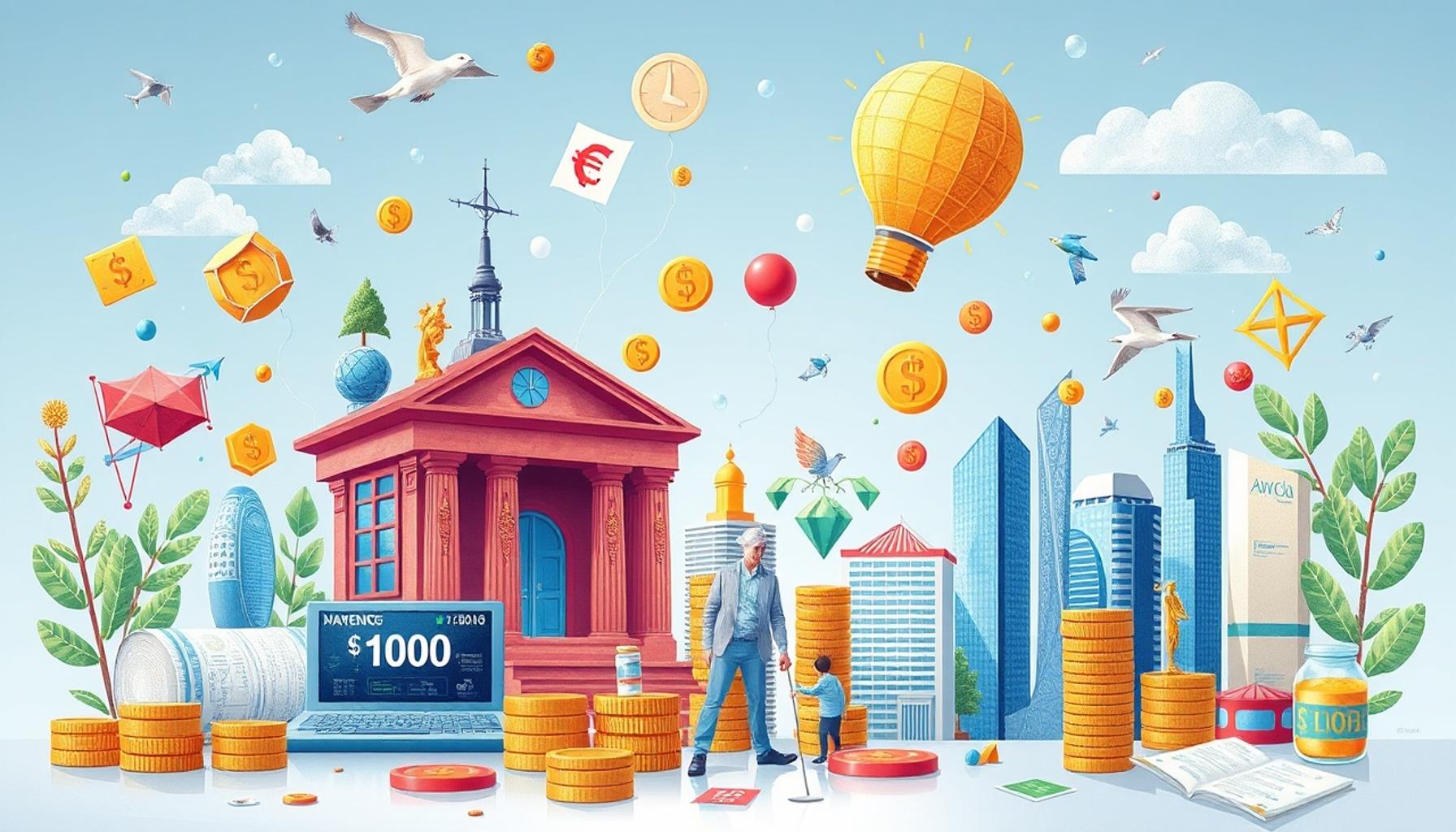
The Revolution of Digital Payments: How Fintechs Are Transforming the Economy
Understanding the Shift in Financial Transactions
The landscape of financial transactions is undergoing a significant transformation. With the rise of fintech companies, digital payments are now more accessible than ever. This revolution is reshaping how people and businesses interact with money, creating a more fluid and interconnected economic environment.
Digital payment systems have surged in popularity, particularly among younger generations who prefer the ease of apps and online platforms. For instance, services like Venmo allow users to transfer money to friends for split bills or share costs for dinner in mere seconds, simply by tapping their smartphones. This level of convenience is unparalleled; users can send money anytime, anywhere, without needing to visit a bank or have cash in hand.
Security is another compelling reason for the rapid growth of digital payments. Advanced encryption technologies and two-factor authentication protocols have greatly enhanced transaction safety. For example, platforms like PayPal offer fraud protection, ensuring users can recover lost funds in case of unauthorized transactions. This builds trust among users who may be hesitant to transition from traditional banking methods.
Moreover, lower costs associated with using digital payment platforms over traditional banking services can be significant. Many fintech companies, unlike traditional banks, charge minimal to no transaction fees. This is particularly beneficial for small businesses that often face hefty charges when processing credit card payments through conventional channels.
Within the U.S., the rise of platforms such as Cash App has fueled a larger shift towards a cashless lifestyle. Consumers are embracing the ability to conduct e-commerce seamlessly, purchase goods from online retailers, or even donate to charities with just a click. This is changing the way individuals allocate their disposable income and engage with local businesses, promoting a more dynamic economy.
Furthermore, fintech innovations are addressing the needs of underserved populations. By providing financial services to those lacking access to traditional banking—often due to geographic or economic barriers—these companies are promoting economic inclusion. For instance, some apps are designed specifically to assist the unbanked, allowing them to participate in the digital economy through alternatives like mobile wallets. This shift is vital for strengthening the economy as a whole, as it opens up new avenues for earning, spending, and saving.
As we explore the impact of these digital payment systems, we will delve into how they are revolutionizing the economy and what this means for the future of financial transactions. The implications are far-reaching, potentially changing everything from individual behavior to overall economic stability.
Exploring the Benefits of Digital Payment Solutions
The rise of digital payment solutions is not merely a trend; it represents a fundamental shift in how transactions are conducted. One of the most significant advantages of these systems is speed. In contrast to traditional banking methods, which can take days to process transfers, digital payments facilitate instant transactions. For example, using an app like Zelle, users can send money to a friend or pay a service provider in less than a minute. This instantaneous nature of digital payments is particularly beneficial for small businesses trying to streamline operations or for individuals needing urgent transfers.
Additionally, the ease of use provided by digital payment platforms cannot be overstated. Users can manage their financial transactions with just a few taps on their smartphones. Platforms like Google Pay and Apple Pay enable users to store several payment methods, making in-store or online purchases incredibly convenient. Moreover, the ability to track expenditures in real-time provides a better grasp on personal finances, allowing users to budget more effectively and analyze their spending habits.
Another crucial element that’s transforming the economic landscape is the global reach of digital payments. With a simple internet connection, individuals and businesses can now transact across borders, breaking down trade barriers. A small business in the U.S. can easily sell products to customers in Europe or Asia using platforms like Shopify. This access opens up international markets that were previously difficult to navigate, significantly broadening revenue opportunities for entrepreneurs.
However, it’s essential to recognize that the transition to digital payments may not come without challenges. Here are a few concerns that users and businesses should be aware of:
- Digital literacy: Not everyone is accustomed to using technology for financial transactions, which can create a digital divide.
- Cybersecurity risks: Despite advancements in security, the threat of hacking and fraudulent activity remains a concern.
- Regulatory issues: As fintech continues to grow, governments will need to catch up with regulations that can protect consumers while fostering innovation.
Despite these challenges, the benefits of digital payments far outweigh the drawbacks, presenting a compelling case for their adoption. The convenience, speed, and accessibility provided by these platforms make them an attractive alternative to traditional financial methods. As we continue to explore the evolution of digital payments, we must consider how these shifts impact businesses, consumers, and the economy as a whole, paving the way for a new financial landscape.
The Role of Fintechs in Shaping a Cashless Society
The evolution of digital payments is primarily driven by the rapid growth of fintech companies. These innovative firms are challenging traditional financial institutions by offering more accessible, flexible, and cost-effective solutions. By leveraging technology, fintechs are continuously changing how we perceive money and engage in transactions. One of the most prominent examples is the rise of mobile wallets.
Mobile wallets such as PayPal, Venmo, and Cash App have significantly altered consumer behaviors. These platforms enable users to store their payment information securely and transact without the need to carry physical cash. For instance, many young adults in the U.S. prefer using Venmo to split restaurant bills or contribute to group gifts, finding it more convenient than reaching for cash or writing checks. This trend signifies not only a shift in payment methods but also a cultural change, as digital interactions become the norm.
Moreover, fintechs are driving innovation in the realm of peer-to-peer (P2P) lending, which democratizes access to credit. Companies like LendingClub and Prosper have pioneered platforms that allow individuals to lend and borrow money directly from one another. This has opened doors for those who may struggle to secure traditional loans from banks, particularly younger generations and small business owners. By cutting out intermediaries, P2P lending often results in lower interest rates for borrowers and higher returns for lenders, paving the way for a more balanced lending ecosystem.
Enhanced Financial Inclusion
One of the most impactful aspects of these digital payment solutions is their ability to promote financial inclusion. For millions of unbanked or underbanked individuals in the U.S., access to traditional banking services has been a significant barrier. Fintech companies are stepping in to provide services such as mobile banking accounts, which often come with low or no fees, eliminating some of the traditional obstacles associated with opening a bank account. For example, services like Chime and Simple allow users to manage their money through user-friendly apps, deposit checks remotely, and access funds through extensive ATM networks.
Additionally, the integration of blockchain technology is another facet of how fintechs are shaping the digital payments landscape. Blockchain provides a secure, decentralized method for processing transactions. This technology is not just limited to cryptocurrencies; its applications include smart contracts and transparency in transactions, which can help reduce fraud and build trust among users. By enabling faster cross-border transactions without excessive fees, blockchain technology is not just a tool for fintechs, but a catalyst for a more interconnected global economy.
The Future of Digital Payments
As we look ahead to the future of digital payments, it is evident that fintech innovations will continue to influence the economy. With advancements such as artificial intelligence and machine learning integrated into payment platforms, companies can provide hyper-personalized services, enhancing customer experience and loyalty. Furthermore, as regulators develop frameworks to ensure consumer protection while encouraging innovation, we can anticipate a balanced environment where both traditional banks and fintechs can thrive.
The ongoing revolution in digital payments transcends traditional financial boundaries, forging a pathway toward a future where transactions are faster, safer, and more accessible for everyone.
Conclusion
The revolution of digital payments is fundamentally reshaping our economic landscape, with fintech companies leading the charge. By introducing user-friendly solutions like mobile wallets and peer-to-peer lending platforms, these innovators are not only enhancing convenience and accessibility but also promoting financial inclusion for millions of Americans. As we have seen, companies such as Chime and Venmo have transformed everyday transactions, making them seamless and efficient, while cutting down on the reliance on traditional banking facilities.
Moreover, the integration of technologies like blockchain offers a promising future for digital payments, securing transactions and minimizing costs. As these advancements continue to evolve, they pave the way for a more interconnected and inclusive economy, where everyone can participate in financial activities without barriers.
Looking ahead, it is crucial for both regulators and traditional banks to adapt to this digital shift, ensuring that innovation thrives while maintaining consumer protection. The collaboration between fintechs and established financial institutions can lead to a balanced ecosystem, creating a finance landscape that benefits all stakeholders. In essence, the ongoing revolution in digital payments is not just a technological shift; it represents a profound cultural change and a move towards a more efficient, equitable economy where all have the opportunity to thrive.